
This study examines the impact of Basel III implementation on bank risk-taking behavior across the Asia-Pacific (APAC) region. Using panel data from 115 commercial banks spanning the period 2018 to 2024, we employ Feasible Generalized Least Squares (FGLS) regression to analyze the relationship between Basel III liquidity requirements and various dimensions of bank risk. Our empirical findings reveal several important insights. First, bank profitability is negatively associated with risk-taking behavior, consistent with the economies-of-scale theory. Second, the Liquidity Coverage Ratio (LCR) demonstrates a positive association with credit risk (CR), while the Net Stable Funding Ratio (NSFR) shows positive relationships with both default risk (DR) and credit risk (CR). Third, bank size emerges as a strong inverse determinant of risk-taking behavior. Fourth, macroeconomic factors exhibit differential impacts across various risk categories. These results provide significant implications for banking supervisors, policymakers, and financial institutions in the APAC region regarding the optimization of Basel III regulatory frameworks to promote stable and resilient banking systems.
Introduction
The Basel III Accord was first introduced by the Basel Committee on Banking Supervision (BCBS) in 2010 to address liquidity vulnerabilities that had been exposed in the global banking system following the 2007–2009 financial crisis (GFC). Basel III established two key liquidity standards, the Liquidity Coverage Ratio (LCR) and the Net Stable Funding Ratio (NSFR), designed to ensure that banks maintain adequate levels of high-quality liquid assets (HQLA) and achieve a balance between available stable funding and required stable funding (Ortiz et al., 2025).
Countries in the APAC region began implementing Basel III requirements from 2013 onwards, resulting in significant changes to bank operations. These regulations directly affect banks’ risk-taking decisions. Recent studies have shown that Basel III helps mitigate systemic risk and enhance long-term financial stability. This impact is reflected in banks’ risk management behavior, as they must adjust their level of risk-taking to comply with increasingly stringent regulatory standards (Aitzhanova et al., 2025).
Although numerous studies have examined the impact of Basel III on commercial banks in developed economies, a substantial research gap remains regarding developing countries, particularly within the APAC region, where financial markets remain underdeveloped (Al-Sunbul et al., 2025; Nguyen et al., 2025). According to recent findings, liquidity regulations may influence banks’ risk-taking behavior through multiple transmission channels, including direct effects on capital structure and on asset–liability management (ALM) strategies (Ansari et al., 2023; Galea-Holhoș et al., 2023).
This research investigates the impacts of Basel III implementation on banks’ risk-taking, measured via default risk (DR), leverage risk (LR), and credit risk (CR), in the APAC region during the period from 2018 to 2024. In addition, it examines the role of macroeconomic factors and bank-specific characteristics in this relationship. The findings provide important policy implications for banking regulators, policymakers, and commercial banks in the APAC region.
The study is structured in five sections: (1) Introduction; (2) Conceptual Framework and Hypotheses Development; (3) Research Methodology; (4) Empirical Results and Discussions; and (5) Conclusion and Recommendations.
Theoretical Framework and Hypotheses Development
Bank Risk and Bank Risk-taking Behavior
Bank Risk is the uncertainty capable of causing unexpected losses, negatively affecting the financial position, solvency, and profitability of a credit institution. In the Basel III global regulatory framework, key bank risks include Credit Risk, Market Risk, Liquidity Risk, Procyclicality Risk, Systemic Risk & Interconnectedness, Concentration Risk (Large Exposures), and Model. In this study, the bank risks covered Default Risk, Leverage Risk, and Credit Risk, because together they directly determine banks’ solvency, stability, and ability to absorb losses.
Bank risk-taking behavior refers to the set of decisions, actions, and strategies through which a bank chooses to assume these risks in pursuit of profits, growth, and competitive advantage (Abid et al., 2021; Soman et al., 2024).
Default Risk (DR) is a measure of a bank's overall risk, reflecting the probability that the bank will become insolvent or fall into default (Kumar et al., 2024; Kagan, 2025). This is a metric widely employed in academic literature to assess the financial stability of banks (Gallas & Bouzgarrou, 2024; Dolova et al., 2025; García-Gómez et al., 2025). DR is typically measured via the Z-score or its inverse variant.
Considering Eq. 1 as follows:
|
|
(1) |
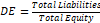
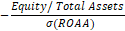
Of which, ROAA means return on Average Assets, Capital to Assets Ratio is Equity divided by Total Assets, and 𝜎(𝑅𝑂𝐴𝐴) is the standard deviation of ROAA.
Leverage Risk (LR) is the risk associated with a bank's use of debt to finance its assets. High leverage can amplify returns under favorable economic conditions but also magnifies losses when risks materialize, thereby threatening solvency. Basel III introduced the Leverage Ratio (LR) as a non-risk-weighted backstop measure, aimed at restricting excessive leverage accumulation and preventing the underestimation of risk assets (BCBS, 2014; Sujana et al., 2025).
The following is Eq. 2 for calculating LR:
|
|
(2) |
Credit Risk (CR) is the most critical risk for most commercial banks, arising from the potential failure of customers (borrowers) to fulfill their interest and principal payment obligations according to signed contracts, resulting in losses for the bank (CEB, 2025; Narayana et al., 2025). In this study, CR is measured by the Non-Performing Loan (NPL) ratio.
Considering Eq. 3 as follows:
|
|
(3) |
Fundamental Theories on Bank Risk-Taking Behavior
The Economies of Scale Theory (Stigler, 1958) posits that as an organization’s operational scale expands, average costs decline due to more efficient resource utilization, technological advantages, and increased specialization. In the banking sector, this theory explains heterogeneity in risk-taking behavior across banks of different sizes. Large banks typically possess stronger capital bases, more sophisticated risk-management systems, and greater portfolio diversification capacity, enabling them to distribute risk more effectively and absorb potential losses. As a result, they are more willing to engage in higher risk-taking to optimize expected returns. In contrast, smaller banks face scale constraints that limit investment in advanced risk-control technologies and diversification, leading them to adopt more conservative risk strategies to avoid liquidity stress or insolvency. Accordingly, economies of scale theory clarifies the link between bank size and risk-taking while providing a foundation for scale-sensitive regulatory supervision.
The Adverse Selection Theory, developed by Akerlof (1970); Ati et al. (2025), addresses information asymmetry between transaction parties, where the less-informed party risks selecting undesirable counterparts. In banking, this theory is particularly relevant to pre-loan approval risks. Due to limited access to borrower information, banks often struggle to distinguish accurately between high-risk and low-risk applicants. When interest rates are raised to compensate for perceived risk, low-risk borrowers may exit the market, while high-risk borrowers remain, intensifying adverse selection. This process increases banks’ exposure to credit risk, weakens loan portfolio quality, and may undermine financial stability. Therefore, adverse selection theory underscores the importance of improving screening, credit evaluation, and information-sharing mechanisms.
The Moral Hazard Theory, first examined by Zeckhauser (1970); Alexander et al. (2024), argues that expectations of external support or bailouts may encourage financial institutions to pursue excessive risk. In this context, the Basel III framework acts as a disciplinary mechanism to mitigate moral hazard in banking. By imposing stricter capital adequacy, leverage, and liquidity requirements, Basel III compels banks to maintain stronger buffers to absorb losses, promoting more prudent investment and risk-management practices. However, under intense competition, some banks may adjust asset structures to sustain profitability, indicating that Basel III’s effects can be bidirectional, simultaneously constraining moral hazard while creating profitability pressures that require careful regulatory balance.
Bank Profitability
Bank profitability, a performance indicator, reflects how banks are managed given the environment in which they operate (Sapunova et al., 2023; ECB, 2024). Recent empirical literature on banking of Riyanti et al. (2025); Chinnasamy et al. 2023 and Watts et al. (2025) employs several measures as profitability indicators: Return on Assets (ROA), Return on Equity (ROE), Net Interest Margin (NIM), and Profit Before Tax (PBT). In this study, bank profitability is measured by NIM.
Considering Eq. 4 as follows:
|
|
(4) |
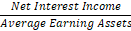
NIM represents net interest income expressed as a percentage of earning assets, as the primary assets and income of Asia-Pacific commercial banks are mainly credit-based (Nguyen, 2012; Konaré et al., 2024).
Impacts of Banks’ Risk-Taking Behavior on Bank Profitability
The traditional view held by Xu et al. (2019) suggests the negative impact, based on "franchise value", defined as the discounted value of a bank's expected future profits.
However, Martynova et al. (2019) demonstrated that traditional banking theory, which predicts that higher profitability reduces risk-taking, does not always hold. Their theoretical model suggests that higher bank profitability, particularly in core business lines, relaxes borrowing constraints, allowing banks to engage in risky ancillary activities on a larger scale. Moreover, Bikker and Vervliet (2017) examined bank profitability and risk-taking, finding that while low interest rates impair net interest margins, banks maintain overall profits through lower provisioning, potentially endangering financial stability. Especially in the post-Basel III era, Kawamoto et al. (2023) found that banks with lower profitability are more likely to increase loans to risky firms, suggesting a complex U-shaped relationship between NIM and risk.
Hypothesis 1: Net Interest Margin (NIM) has a positive impact on Bank Risk-Taking.
The Basel III Accord and Implementation
The Basel III Accord is a set of internationally agreed measures developed by the BCBS to strengthen the regulation, supervision, and risk management of banks following the 2007–2009 GFC. Basel III standards act as minimum requirements applicable to internationally active banks. Members are committed to implementing and applying these standards within their jurisdictions within the timeframe established by the Committee (BIS, 2025). Under Basel III, two key liquidity ratios, the Liquidity Coverage Ratio (LCR) and the Net Stable Funding Ratio (NSFR), were established to ensure banks maintain adequate liquidity to meet their obligations (Mahisi & Usman, 2024).
Considering Eq. 5 as follows:
|
|
(5) |
Along with the LCR, the NSFR is a critical component of the Basel III reforms, requiring banks to maintain a stable funding profile in relation to their on- and off-balance sheet activities. This reduces the likelihood that disruptions to a bank's regular funding sources will erode its liquidity position in a way that could increase the risk of failure and potentially lead to broader systemic stress (OSFI, 2025).
Considering Eq. 6 as follows:
|
|
(6) |
Recent regulatory developments following the GFC in 2007-2009 have made the LCR and NSFR central components of Basel III. Setiyono and Naufa (2020) observed that while a higher NSFR mitigates default and funding risks, it negatively correlates with profitability. They further contrast the timing liquidity theory, which posits that high-quality liquid assets (HQLA) reduce systemic risk, with the lending behavior perspective, where excess liquidity may induce moral hazard and risk-taking. This trade-off was underscored by Bosshardt et al. (2022), who found that banks with stable funding often respond to LCR constraints by originating riskier loans, noting that the NSFR creates distinct incentive structures due to its long-term horizon. Complementing this, Simion et al. (2024) demonstrated that creditors often interpret stringent liquidity mandates as signals of underlying distress, particularly for banks with elevated NPLs.
Hypothesis 2: The Liquidity Coverage Ratio (LCR) has a positive impact on Bank Risk-Taking.
Hypothesis 3: The Net Stable Funding Ratio (NSFR) has a positive impact on Bank Risk-Taking.
Other Determinants Influencing Bank Profitability and Risk
Bank Size (SIZE)
The natural logarithm of total assets is used as a proxy for bank size (SIZE). Bank size is generally considered an important control variable in studies examining factors affecting bank risk-taking and profitability (Chakraborty, 2024).
Considering Eq. 7 as follows:
|
|
(7) |
Alzoubi and Obeidat (2020), Farnè and Vouldis (2021) found an inverse relationship between SIZE and NPL growth, suggesting that supervision effectively curtailed the risk-taking of larger banks.
Hypothesis 4: Bank Size (SIZE) has a negative impact on Risk-Taking.
Debt-to-Equity Ratio (DE)
The Debt-to-Equity ratio (DE) is a fundamental financial metric used to assess the financial leverage of a business or bank. This indicator reflects the extent to which the organization's assets are financed by debt (borrowed funds) relative to equity (own funds) (Arhinful & Radmehr, 2023).
Considering Eq. 8 as follows:
|
|
(8) |
Abbas and Younas (2021) found that total risk is positively influenced by bank capital, whereas risk-based capital and capital buffers negatively impact risk-taking. Al-Manaseer (2024) reported that the debt ratio negatively affects the capital adequacy ratio, as higher leverage escalates financial leverage risk (DE) and increases risk-weighted assets.
Hypothesis 5: Debt-to-Equity Ratio (DE) has a positive impact on Risk-Taking.
Gross Domestic Product Growth (DGDP)
Gross Domestic Product (GDP) represents the market value of all final goods and services produced within a given period, typically annually (Callen, 2020). Domestic GDP growth (DGDP) refers to the rate at which a country's economic output expands over a specific period, usually quarterly or annually (Banton, 2025). Dell'Ariccia et al. (2013) demonstrated that banks reduce lending standards and increase credit risk during periods of economic expansion, suggesting an inverse relationship between short-term interest rates and bank risk-taking. Subsequently, several studies have shown a significant negative relationship between GDP and bank risk-taking (Mpofu & Nikolaidou, 2018; Akhter, 2023; Solihah et al., 2023).
Hypothesis 6: Gross Domestic Product Growth (DGDP) has a negative impact on Bank Risk-Taking.
Inflation
Inflation (IF) is a macroeconomic indicator defined as the continuous and sustained increase in the general price level of goods and services in an economy over time, leading to a decline in purchasing power (Oner, 2021; Armadivin et al., 2024). Qin et al. (2024) showed that the inflation rate has a significant positive impact on credit risk. Anwar et al. (2023) found that inflation positively affects investment, working capital, and consumer credit, thereby directly affecting bank credit and demonstrating a positive correlation. Awdeh et al. (2024) noted that inflation positively impacts bank risk through multiple channels.
Hypothesis 7: Inflation (IF) has a positive impact on Bank Risk-Taking.
Materials and Methods
Research Model
This study employs multivariate regression models to analyze the extent to which LCR and NSFR influence the Bank risk-taking in APAC region. The data are processed using Stata 17.
The baseline regression model is specified as Eq. 9 as follows:
|
|
(9) |
where:
Bank Risk-taking is measured using the probability of DR, LR, and CR.
i=1,…,Ni = 1, …, Ni=1,…,N denotes cross-sectional units; t=1,…,Nt = 1, …, Nt=1,…,N represents the time periods in the panel dataset; and U is the random error term.
This research employs panel data analysis based on a sample of 115 banks over seven years from 2018 to 2024. Data are collected from two primary sources: the World Bank Database https://databank.worldbank.org/ and the Capital IQ Database https://www.capitaliq.com/. Since the focus of this study is to examine the effects of LCR and NSFR, the sample is restricted to banks for which both indicators are sufficiently available. All variables used in the analysis are summarized in Table 1.
Table 1. Summary of variables and hypotheses.
|
Codings |
Meaning |
Measurement |
Sign |
Sources |
|
Dependent Variables |
||||
|
DR |
Default Risk |
|
|
|
|
LR |
Leverage Risk |
|
|
|
|
CR |
Credit Risk |
|
|
|
|
Independent Variables |
||||
|
NIM |
Net Interest Margin |
|
+ (H1) |
Bikker & Vervliet (2017), Martynova et al. (2019), Kawamoto et al. (2023) |
|
LCR |
Liquidity Coverage Ratio |
|
+ (H2) |
Bosshardt et al. (2022), Simion et al. (2024) |
|
LCR1 |
|
log(LCR) |
|
|
|
NSFR |
Net Stable Funding Ratio |
|
+ (H3) |
Setiyono & Naufa (2020), Bosshardt et al. (2022) |
|
NSFR1 |
|
log(NSFR) |
|
|
|
SIZE |
Bank Size |
log(Total equity) |
- (H4) |
Farnè & Vouldis (2021), Alzoubi & Obeidat (2020) |
|
DE |
Debt-to-Equity Ratio |
|
+ (H5) |
Abbas & Younas (2021), Al-Manaseer (2024) |
|
DGDP |
GDP Growth |
|
- (H6) |
Dell'Ariccia et al. (2013), Mpofu & Nikolaidou (2018), Akhter (2023) |
|
IF |
Inflation |
|
+ (H7) |
Qin et al. (2024), Anwar et al. (2023), Awdeh et al. (2024) |
Source: Compilations by the authors
According to Kapan and Minoiu (2013), the NSFR is transformed using a base-10 logarithm to address issues of nonlinearity and differences in data scale, and the transformed variable is denoted as NSFR1. In this study, we apply the same transformation to the LCR variable, which is subsequently denoted as LCR1. Logarithmic transformation helps reduce the skewness of the LCR and NSFR distributions, mitigates the influence of outliers, and enables the interpretation of regression coefficients in elasticity terms. Moreover, this transformation facilitates more meaningful comparisons across banks of different sizes.
The study employs the Ordinary Least Squares (OLS) regression method. In addition, we apply several alternative estimation techniques, including the Fixed Effects Model (FEM), the Random Effects Model (REM), and the Feasible Generalized Least Squares (FGLS) approach, to correct for potential model deficiencies.
Results and Discussion
Table 2. Descriptive statistics of the variables
|
Variables |
Observation |
Mean |
STD |
Min |
Max |
|
DR |
805 |
-5.294055 |
5.035119 |
-33.14446 |
2.156794 |
|
DR |
805 |
-0.563199 |
0.4917844 |
-3.358823 |
0.0626647 |
|
CR |
805 |
4.035875 |
6.884208 |
0.04 |
98.594 |
|
NIM |
805 |
2.746243 |
1.726343 |
-4.695312 |
16.93382 |
|
LCR1 |
805 |
2.201873 |
0.2194593 |
1.327735 |
2.98945 |
|
NSFR1 |
805 |
2.111636 |
0.0999358 |
1.721563 |
2.595496 |
|
DGDP |
805 |
4.192484 |
4.077801 |
-32.9 |
37.5 |
|
IF |
805 |
4.231578 |
4.918536 |
-1.4 |
49.7 |
|
SIZE |
805 |
7.259758 |
0.8964622 |
5.16528 |
9.369343 |
|
DE |
805 |
1.480312 |
1.834455 |
0 |
34.75745 |
Source: Compilations by the authors
We further conducted an additional analysis presented in Table 2, examining the stationarity of the time-series variables. In Table 3, we employ the Levin–Lin–Chu unit root test and find that all variables are stationary at the level, with a p-value of 0.0000. This result indicates that all variables can be directly included in the regression models without requiring additional differencing or transformation.
Table 3. Levin–Lin–Chu Test Results
|
Variables |
P_value |
Status |
|
DR |
0.0000 |
Level |
|
LR |
0.0000 |
Level |
|
CR |
0.0000 |
Level |
|
NIM |
0.0000 |
Level |
|
LCR |
0.0000 |
Level |
|
NSFR |
0.0000 |
Level |
|
DGDP |
0.0000 |
Level |
|
IF |
0.0000 |
Level |
|
SIZE |
0.0000 |
Level |
|
DE |
0.0000 |
Level |
Source: Compilations by the authors
Table 4. Correlation matrix
|
|
DR |
LR |
CR |
NIM |
LCR1 |
NSFR1 |
DGDP |
IF |
SIZE |
DE |
|
DR |
1 |
|
|
|
|
|
|
|
|
|
|
LR |
0.90 |
1 |
|
|
|
|
|
|
|
|
|
CR |
0.2 |
0.17 |
1 |
|
|
|
|
|
|
|
|
NIM |
0.11 |
0.23 |
-0.01 |
1 |
|
|
|
|
|
|
|
LCR1 |
-0.06 |
-0.07 |
0.09 |
0.19 |
1 |
|
|
|
|
|
|
NSFR1 |
0.13 |
0.06 |
0.1 |
0.19 |
0.24 |
1 |
|
|
|
|
|
DGDP |
-0.08 |
-0.01 |
0.05 |
-0.09 |
0.08 |
-0.17 |
1 |
|
|
|
|
IF |
0.2 |
0.27 |
0.22 |
0.25 |
0.08 |
0.09 |
-0.11 |
1 |
|
|
|
SIZE |
-0.52 |
-0.51 |
-0.27 |
-0.41 |
-0.1 |
-0.22 |
0.03 |
-0.44 |
1 |
|
|
DE |
-0.06 |
-0.01 |
0.17 |
-0.22 |
-0.09 |
-0.24 |
0.06 |
0.08 |
0.15 |
1 |
Source: Author's compilation
Table 4 presents the Pearson correlation coefficients, which indicate the degree of association between each pair of variables. Default risk and Leverage risk exhibit a strong positive correlation, with a coefficient of 0.9. This high correlation arises from the similarity in the computational structure of these risk measures. However, this does not pose an issue for the estimation of the regression models, as each model includes only one risk variable as the dependent variable. Therefore, all variables remain suitable for subsequent empirical analyses. Table 5 summarizes the FGLS estimation results of the model analyzing Banks’ risk-taking behavior.
Table 5. FGLS regression results
|
Variables |
DR |
LR |
CR |
|
NIM |
-0.5169722*** |
-0.0040439 |
-0.1546778*** |
|
LCR1 |
-0.1027461 |
-0.0018164 |
2.421192*** |
|
NSFR1 |
3.448984 *** |
0.0680529 |
2.066331** |
|
DGDP |
-0.0414219*** |
0.0001048 |
0.038487** |
|
IF |
-0.0234892*** |
-0.0008219 ** |
0.1729392*** |
|
SIZE |
-2.867194 *** |
-0.2333883*** |
-1.25009*** |
|
DE |
0.0315177 |
0 .0123948*** |
0.3884281*** |
***: 1% significance level, **: 5% significance level, and *: 10% significance level
Source: Compiled by the authors
NIM is also statistically significant in the DR and CR models, with all coefficients being negative. Specifically, NIM exhibits a negative relationship with DR, with a coefficient of –0.52, and with CR, with a coefficient of –0.15, while showing no significant association with LR. Accordingly, the research team rejects Hypothesis H1.
The LCR is not statistically significant in explaining DR or LR; however, it demonstrates a positive and statistically significant relationship with CR at the 5% level. In addition, the NSFR is significant in both the DR and CR models, with positive coefficients. These findings indicate a general tendency whereby banks with higher levels of short-term and long-term liquidity are more likely to engage in greater risk-taking.
IF is statistically significant at the 5% level across all dimensions of bank risk. IF exhibits a negative relationship with DR in the first model, with a coefficient of –0.02, and a negative but near-zero effect on LR. In contrast, IF shows a positive association with CR, with a coefficient of 0.17. Although prior studies suggest that inflation has a significant positive impact on bank risk, its actual influence appears to be complex and contingent on the type of risk considered. Therefore, the research team rejects Hypothesis H7.
The coefficient of DGDP is significant in two of the three models, namely those for DR and CR. DGDP is negatively associated with DR, with a coefficient of –0.04, but positively associated with CR, with a coefficient of 0.038, while showing no relation with LR. Consequently, the research team rejects Hypothesis H4 and concludes that the impact of DGDP growth depends on the specific type of risk examined.
The coefficient of SIZE is statistically significant and negative in all three models, indicating that bank size is inversely related to Bank risk-taking. Specifically, the SIZE coefficients are –2.87 for DR, –0.23 for LR, and –1.25 for CR, all significant at the 5% level.
Finally, the DE ratio is statistically significant at the 1% level in two of the three models, LR and CR. DE shows a strong positive effect on CR, with a coefficient of 0.388, and a smaller positive effect in the LR model, with a coefficient of 0.012. Based on these results, the research team supports Hypothesis H5. Table 6 summarizes the conclusions drawn by the research team and highlights the key findings of the study.
Table 6. Summary of hypotheses and findings
|
Variables |
Hypotheses |
Findings |
Conclusion |
|
NIM |
NIM positively affects bank risk-taking |
NIM negatively affects bank risk-taking |
New finding |
|
LCR |
LCR positively affects bank risk-taking |
LCR positively affects bank risk-taking |
Support |
|
NSFR |
NSFR positively affects bank risk-taking |
NSFR positively affects bank risk-taking |
Support |
|
DGDP |
DGDP negatively affects bank risk-taking |
DGDP increases CR, but decreases DR |
New finding |
|
IF |
IF positively affects bank risk-taking |
IF increases CR, but decreases DR and LR |
Support |
|
SIZE |
SIZE negatively affects bank risk-taking |
SIZE negatively affects bank risk-taking |
Support |
|
DE |
DE positively affects bank risk-taking |
DE positively affects bank risk-taking |
Support |
Source: Author's compilation
LCR Has a Positive Effect on Bank Risk-Taking
The findings indicate that the LCR exerts a positive influence on the risk-taking behavior of commercial banks. This result is consistent with prior studies by Bosshardt et al. (2022) and Simion et al. (2024). The positive relationship can be explained through two mechanisms: liquidity management capability and bank resilience (Mashamba, 2019). First, a high LCR reflects prudent liquidity management, which strengthens market and investor confidence, thereby enabling banks to be more proactive in their risk strategies and more willing to allocate capital to higher-yielding activities. Second, a high LCR enhances the bank’s ability to withstand systemic shocks, reducing the probability of credit losses and allowing management to increase the acceptable level of risk within a safe liquidity foundation. From the perspective of adverse selection and moral hazard theories, compliance with Basel III and maintaining a strong LCR signals sound governance and financial health. This transparency mitigates information asymmetry, lowers adverse selection risk, and reduces funding costs, enabling banks to expand risk-taking in lending and investment activities in a prudent and systemically stable manner.
NSFR Has a Positive Effect on Bank Risk-Taking
The results show that the NSFR also has a positive impact on bank risk-taking, consistent with findings from Setiyono and Naufa (2020) and Bosshardt et al. (2022). The mechanism of influence is primarily reflected through improvements in funding structure quality and the bank’s capacity to maintain long-term financial stability (Li et al., 2024). Banks with a high NSFR generally possess a safer capital structure, with lower reliance on volatile short-term funding, thereby reducing liquidity and refinancing risks. As liquidity pressures ease, banks are better positioned to engage in higher-yielding lending and investment activities while enhancing overall risk-management capacity. Moreover, a strong NSFR supports medium- and long-term financial equilibrium, strengthening resilience to macroeconomic fluctuations and enabling bank leadership to take on reasonable levels of risk more proactively.
NIM Has a Negative Effect on Bank Risk-Taking
This finding rejects Hypothesis 1, which posited a positive relationship between NIM and risk-taking. It aligns with the traditional perspective of Xu et al. (2019), who highlight a negative profit–risk relationship. This mechanism is rooted in the concept of “franchise value,” whereby banks with higher profit margins behave more conservatively in order to preserve expected future income, thus reducing default and credit risk, consistent with economies of scale advantages. However, this outcome contradicts studies by Bikker and Vervliet (2017), Martynova et al. (2019), and Kawamoto et al. (2023), who argue that higher profitability may relax borrowing constraints or that lower profitability may incentivize greater risk-taking.
IF Has a Positive Effect on CR But a Negative Effect on DR and LR.
IF exhibits a positive relationship with credit risk (CR) but an inverse relationship with DR and LR, reflecting the complex and risk-specific influence of inflation. The positive association with CR is consistent with Anwar et al. (2023) and Awdeh et al. (2024), who show that inflation can elevate credit risk by affecting operating costs and loan quality. Conversely, the negative effect on DR may be attributed to banks’ ability to adjust interest rates or restructure assets to maintain nominal profitability, despite evidence from Qin et al. (2024) suggesting that inflation significantly increases overall bank risk.
DGDP Has a Positive Effect on Cr and a Negative Effect on DR
DGDP demonstrates heterogeneous effects on different risk indicators. The negative association with DR aligns with Mpofu and Nikolaidou (2018), and Akhter (2023), indicating that economic expansion enhances asset quality and reduces the probability of default. Meanwhile, the positive association with CR reflects the procyclical nature of lending, whereby banks tend to loosen lending standards and increase credit risk during economic upswings, as documented by Dell’Ariccia et al. (2013). This suggests that although economic growth stabilizes banks by reducing DR, it may also stimulate riskier lending behavior (increasing CR).
SIZE Has a Negative Relationship with Bank Risk-Taking
This result is consistent with previous studies by Alzoubi and Obeidat (2020) and Farnè and Vouldis (2021), which suggest that larger banks tend to take on less risk. Larger banks often possess more robust risk-control frameworks, stronger risk-management capabilities, and greater financial capacity. Under Basel III, these institutions face more stringent prudential requirements, including tighter capital adequacy rules. This regulatory pressure encourages large banks to limit risk-taking to maintain stability and mitigate potential systemic vulnerabilities.
DE Has a Positive Relationship with Bank Risk-Taking.
This result is in line with Abbas and Younas (2021), who find that financial leverage positively influences bank risk-taking. Banks that rely more heavily on debt financing tend to assume greater risks to generate higher returns to cover interest expenses. From the Basel III perspective, higher leverage intensifies pressure on capital structure, requiring banks to demonstrate stronger liquidity positions and comply with tighter capital requirements. Thus, the positive relationship between leverage and risk-taking suggests that banks continue to increase leverage and accept higher risks to maximize profitability, despite the constraints imposed by Basel III.
Conclusion
This research provides comprehensive empirical evidence on the impact of Basel III implementation on banks’ risk-taking behavior in the APAC region during the 2018–2024 period. The findings indicate that the relationships among Basel III liquidity indicators, profitability, bank-specific characteristics, and risk-taking are complex and vary across different types of risks. Notably, banks with higher profit margins tend to assume lower levels of risk, while long-term liquidity requirements are associated with higher risk-taking. In addition, larger banks generally exhibit more prudent risk management practices, and macroeconomic factors exert heterogeneous effects on different categories of risk.
First, for banking supervisory authorities, it is necessary to refine the Basel III supervisory framework with particular attention to shifts in banks’ asset portfolios. Although liquidity requirements aim to safeguard liquidity positions, supervisors must closely monitor potential migration from liquid assets toward higher-risk loans or investments. Supervisory authorities should also consider adopting differentiated Basel III requirements based on bank size. Smaller banks may require more flexible standards to avoid excessive compliance burdens, whereas larger banks should remain subject to stricter oversight. Additionally, more sophisticated early-warning systems should be developed to detect changes in banks’ risk-taking behavior amid complex macroeconomic conditions.
Second, for financial policymakers, Basel III should be integrated into the broader macro-financial stability strategy. As Basel III functions not only as a regulatory framework but also as a policy instrument that may influence economic cycles, liquidity, and capital requirements, these should be adjusted appropriately in different phases of the cycle. For banks, particularly smaller institutions, supportive policies may be needed during the transition to updated Basel III requirements, such as phased implementation or temporary incentives to ease financial pressures.
Third, for commercial banks, it is important to enhance risk management strategies and optimize asset portfolio structures. Banks should adopt more advanced risk-management tools to balance profitability and risk, especially under strict liquidity constraints. Larger banks should leverage economies of scale to maintain lower risk-taking while achieving expected returns. Conversely, smaller banks should seek to optimize their loan portfolios and consider high-risk lending selectively and prudently.
However, the study has several limitations. First, regarding data and sample scope, the study comprises 115 banks from the APAC region during 2018-2024, which may not be fully representative of all commercial banks in the region. Additionally, the seven-year observation period may be insufficient to identify long-term structural changes in bank risk-taking behavior. Second, regarding macro-contextual factors, the study covers 2018-2024, during which the APAC region experienced varied macroeconomic conditions, including pandemic-related disruptions. Third, regarding measurement and variable specifications, bank profitability is measured solely by NIM, which does not capture all dimensions of profitability, such as fee-based income.
Limitations and Dimensions for Future Research
However, the study has several limitations. First, regarding data and sample scope, the study comprises 115 banks from the APAC region during 2018-2024, which may not be fully representative of all commercial banks in the region. Additionally, the seven-year observation period may be insufficient to identify long-term structural changes in bank risk-taking behavior. Second, regarding macro-contextual factors, the study covers 2018-2024, during which the APAC region experienced varied macroeconomic conditions, including pandemic-related disruptions. Third, regarding measurement and variable specifications, bank profitability is measured solely by NIM, which does not capture all dimensions of profitability, such as fee-based income.
Acknowledgments: This paper is funded by the National Economics University, Hanoi, Vietnam.
The authors would like to express their gratitude to the comments from chairs, scholars, and audiences at the 8th International Conference on Finance, Accounting and Auditing, Hanoi, Vietnam (8th ICFAA 2025) and International Conference of School of Banking and Finance 2025 (ICSBF 2025). This paper has been revised significantly after presenting at the ICFAA 2025 Conference and the ICSBF 2025 Conference.
Conflict of Interest: None
Financial Support: None
Ethics Statement: Where applicable, ethical approval was obtained from relevant committees, and informed consent was secured from participants.
Abbas, F., & Younas, Z. I. (2021). How do bank capital and capital buffer affect risk: Empirical evidence from large US commercial banks. Journal of Central Banking Theory and Practice, 10(2), 109–131. doi:10.2478/jcbtp-2021-0016
Abid, A., Gull, A. A., Hussain, N., & Nguyen, D. K. (2021). Risk governance and bank risk-taking behavior: Evidence from Asian banks. International Review of Financial Analysis, 76, 101466.
Addou, K. I., Boulanouar, Z., Anwer, Z., Bensghir, A., & Mohamad, S. M. R. (2024). The impact of Basel III regulations on the solvency and credit risk-taking behavior of Islamic banks. International Journal of Islamic and Middle Eastern Finance and Management, 17(5), 915–935. doi:10.1108/IMEFM-05-2024-0248
Aitzhanova, E., Kyyakbayeva, U., Izmagambetova, R., Orazaliyeva, E., & Syzdykbayeva, A. (2025). Digital culture of future preschool teachers based on neurotechnologies: Bibliometric analysis of the literature. Journal of Advanced Pharmacy Education and Research, 15(4), 84–96. doi:10.51847/YPaglM2hzj
Akhter, N. (2023). Determinants of commercial banks’ non-performing loans in Bangladesh: An empirical evidence. Cogent Economics & Finance, 11(1), 1–19. doi:10.1080/23322039.2023.2194128
Alexander, I., Elijah, P. J., Uzoma, N. O., Mbamalu, E. E., Chioma, N. J., & Onubuiwe, N. N. (2024). Hepato-renal protection of methanol flavonoid-fraction of lime juice in rats fed monosodium glutamate and protein-enriched diet. Journal of Biochemical Technology, 15(4), 35–46. doi:10.51847/qf3cf9rUiw
Al-Manaseer, S. R. (2024). The impact of debt ratio on financial stability through the mediating role of capital adequacy: Evidence from the regulatory framework of the banking industry. Journal of Governance and Regulation, 13(4, Special Issue), 247–256. doi:10.22495/jgrv13i4siart3
Al-Sunbul, A. A., Aldhalaan, R., AlHaddab, M., AlRushoud, S. S., & Alharbi, M. (2025). Multidisciplinary course of action in treating an intricate dental condition: A case report. Annals of Dental Specialty, 13(1), 1–6. doi:10.51847/tMCyhI2l0C
Alzoubi, T., & Obeidat, M. (2020). How size influences the credit risk in Islamic banks. Cogent Business & Management, 7(1), 1–7. doi:10.1080/23311975.2020.1811596
Anguren, R., Jiménez, G., & Peydró, J. L. (2024). Bank capital requirements and risk-taking: Evidence from Basel III. Journal of Financial Stability, 74, 101292. doi:10.1016/j.jfs.2024.101292
Ansari, S. H., Ahmed, S., Abdulaziz, L. N., AlRumayyan, S. M., Mostafa, M. A., Al-Mohammed, R. S., & AlFarhan, S. H. (2023). Wound healing of cyanoacrylate vs collagen among patients undergoing oral surgery: A systematic review. Annals of Dental Specialty, 11(4), 56–61. doi:10.51847/kFJklR9Vtt
Anwar, C. J., Suhendra, I., Didu, S., Sayektiyani, A., & Kholishoh, L. N. (2023). The impact of monetary policy and credit risk on bank credit behavior: An analysis of banks listed on the Indonesian stock exchange. Cogent Economics & Finance, 11(1), 1–18. doi:10.1080/23322039.2023.2220250
Arhinful, R., & Radmehr, M. (2023). The effect of financial leverage on financial performance: Evidence from non-financial institutions listed on the Tokyo stock market. Journal of Capital Markets Studies, 7(1), 53–71. doi:10.1108/JCMS-10-2022-0038
Armadivin, F., Achadiyani, A., & Atik, N. (2024). Cellular senescence perspective of mTOR in the delay of aging process. Journal of Advanced Pharmacy Education and Research, 14(3), 70–77. doi:10.51847/OVGA9z0WDB
Ati, U. B., Atangwho, I. J., & Itam, E. H. (2025). Effect of monosodium glutamate on selected tissue lipids and haematology of neonatal and adult Wistar rats. Journal of Biochemical Technology, 16(1), 1–8. doi:10.51847/88vnUSGDHJ
Awdeh, A., Moussawi, C. E., & Hamadi, H. (2024). The impact of inflation on bank stability: Evidence from the MENA banks. International Journal of Islamic and Middle Eastern Finance and Management, 17(2), 379–399. doi:10.1108/IMEFM-10-2023-0388
Banton, C. (2025). Learn about real economic growth rate. Investopedia. https://www.investopedia.com/terms/r/realeconomicrate.asp
BCBS. (2014). Basel III leverage ratio framework and disclosure requirements. Bank for International Settlements. https://www.bis.org/publ/bcbs270.htm
Bikker, J. A., & Vervliet, T. M. (2017). Bank profitability and risk-taking under low interest rates. International Journal of Finance & Economics, 23(1), 3–18. doi:10.1002/ijfe.1595
BIS. (2025). Basel III monitoring instructions. https://www.bis.org/bcbs/qis/biiiimplmoninstr_5.3.pdf
Bosshardt, J., Kakhbod, A., & Saidi, F. (2022). Liquidity regulation and bank risk taking on the horizon. https://www.fdic.gov/analysis/cfr/bank-research-conference/annual-21st/papers/bosshardt-paper.pdf
Callen, T. (2020). Gross domestic product: An economy’s all. International Monetary Fund. https://www.imf.org/en/Publications/fandd/issues/Series/Back-to-Basics/gross-domestic-product-GDP
CEB. (2025). Credit risk. https://coebank.org/en/investor-relations/risk-management/credit-risk/
Chakraborty, B. (2024). Analysis of risk, size, and performance of the banking industry: A South Asian perspective. Indian Journal of Finance, 18(4), 44. doi:10.17010/ijf/2024/v18i4/173726
Chen, X., Wu, Y., Ding, Y., & Zhang, T. (2024). Exploring the nexus of liquidity regulation, bank risk-taking, and shadow banking: A comprehensive analysis of Chinese commercial banks. Journal of the Knowledge Economy, 16, 601–629. doi:10.1007/s13132-024-02013-9
Chinnasamy, S., Nariyampet, S. A., Hajamohideen, A. J. A., Zeeshan, M., Dawlath, W., Pakir, A. W. M., & Afreen, S. (2023). Molecular identification of Ascomycota fungi using ITS region as DNA barcodes. Journal of Biochemical Technology, 14(1), 45–49. doi:10.51847/G3KFX7gJOs
Dell’Ariccia, G., Laeven, L., & Suarez, G. (2013). Bank leverage and monetary policy’s risk-taking channel: Evidence from the United States. IMF Working Papers, 13(143), 1–41. doi:10.5089/9781484381137.001
Dolova, M. A., Esiev, R. K., Karaeva, S. O., Zakaeva, V. R., Tajudinova, F. K., Voropaeva, I. S., Albogachieva, A. B., Dzaurova, B. S., & Abzotova, M. R. (2025). Optimization of regeneration of oral mucosa: Development and evaluation of the effectiveness of the combined gel. Annals of Dental Specialty, 13(3), 53–60. doi:10.51847/kRzCu3JZXB
ECB. (2024). Bank profitability: A mirror of the past, creating a vision for the future. European Central Bank. https://www.bankingsupervision.europa.eu/press/speeches/date/2024/html/ssm.sp241016~c532e5246d.en.html
Farnè, M., & Vouldis, A. (2021). Banks’ risk-taking within a banking union. SSRN Electronic Journal. doi:10.2139/ssrn.3936236
Fernando, J. (2025). Debt-to-equity (D/E) ratio formula and how to interpret it. Investopedia. https://www.investopedia.com/terms/d/debtequityratio.asp
Galea-Holhoș, L. B., Delcea, C., Siserman, C. V., & Ciocan, V. (2023). Age estimation of human remains using the dental system: A review. Annals of Dental Specialty, 11(3), 14–18. doi:10.51847/YAvWbKgJs8
Gallas, S., & Bouzgarrou, H. (2024). Unveiling the nexus between climate change performance, default risk, and financial stability in European Union countries. The International Journal of Climate Change: Impacts and Responses, 15(2), 65–89. doi:10.18848/1835-7156/CGP/v16i02/65-89
García-Gómez, C. D., Demir, E., Díez-Esteban, J. M., & Bolaños, E. L. (2025). Climate vulnerability and firms’ default risk: The moderating role of country-level corruption. BRQ Business Research Quarterly, Special Issue, 1–24. doi:10.1177/23409444251372631
Gržeta, I., Žiković, S., & Tomas Žiković, I. (2023). Size matters: Analyzing bank profitability and efficiency under the Basel III framework. Financial Innovation, 9(1), 1–28. doi:10.1186/s40854-022-00412-y
Karim, R., & Ahmed, F. (2024). Liquidity and risk impact on bank capital. European Journal of Business Management and Research, 9(3), 110–113. doi:10.24018/ejbmr.2024.9.3.2273
Kawamoto, T., Matsuda, T., Takahashi, K., & Tamanyu, Y. (2023). Franchise value matters: The drivers of bank risk taking in the post-Basel III era. Social Science Research Network. doi:10.2139/ssrn.4393781
Konaré, M. A., Maïga, A. D., Togola, I., & Diarra, N. (2024). Antioxidant and antidiabetic potential of extracts from Anacardium occidentale and Sclerocarya birrea. Journal of Biochemical Technology, 15(3), 15–24. doi:10.51847/zpFCZqyBFX
Kumar, D., Gurunathan, D., Jabin, Z., & Talal, S. (2024). Aromatherapy versus conscious sedation evaluation in reducing dental anxiety in pediatric dental patients. Annals of Dental Specialty, 12(2), 25–31. doi:10.51847/xigtK1Y23r
Li, M., Li, K., Huang, Y., & Cao, Z. (2024). Commercial bank NSFR adjustment and risk: Evidence from China. Research in International Business and Finance, 73, 102559. doi:10.1016/j.ribaf.2024.102559
Mahisi, P. P. W. N., & Usman, B. (2024). The effect of Basel III liquidity, credit risk, and market risk on the profitability of commercial banks in Indonesia. Indonesian Interdisciplinary Journal of Sharia Economics, 7(2), 3416–3440. doi:10.31538/iijse.v7i2.4680
Martynova, N., Ratnovski, L., & Vlahu, R. (2020). Bank profitability, leverage constraints, and risk-taking. Journal of Financial Intermediation, 100821. doi:10.1016/j.jfi.2019.03.006
Mashamba, T. (2019). The effects of Basel III liquidity regulations on banks’ profitability. Journal of Governance and Regulation, 7(2), 34–48. https://virtusinterpress.org/The-effects-of-Basel-III-liquidity.html
Najm, A. (2024). The effect of liquidity analysis on the performance of the banks. World Economics and Finance Bulletin, 41, 105–123. https://scholarexpress.net/index.php/wefb/article/view/4816
Narayana, A. V., Kumar, P., Sumalatha, B., Chandrasekhar, K., Rao, A. R., & Rashmika, I. (2025). Biosurfactants as key agents in microbial remediation of polycyclic aromatic hydrocarbons: A review. Journal of Biochemical Technology, 16(1), 9–14. doi:10.51847/TImJVEmxU3
Nguyen, J. (2012). The relationship between net interest margin and noninterest income using a system estimation approach. Journal of Banking & Finance, 36(9), 2429–2437. doi:10.1016/j.jbankfin.2012.04.017
Nguyen, T. C., Khuc, T. A., & Tran, B. N. K. (2025). Corporate distress and financial restructuring decisions in different stages of life cycle. Journal of Economics and Development, 27(3), 264–276. doi:10.1108/JED-08-2024-0281
Oner, C. (2021). Inflation: Prices on the rise. International Monetary Fund. https://www.imf.org/en/Publications/fandd/issues/Series/Back-to-Basics/Inflation
Ortiz, H. A. D. L. B., Miranda, L. G., & Arias, M. (2025). Assessing online master class effectiveness as a teaching resource for physical agents in physical therapy education. Journal of Advanced Pharmacy Education and Research, 15(2), 73–83. doi:10.51847/hBPg14ibpR
OSFI. (2025). Liquidity adequacy requirements (LAR) (2026): Chapter 3 – Net stable funding ratio. https://www.osfi-bsif.gc.ca/en/guidance/guidance-library/liquidity-adequacy-requirements-lar-2026-chapter-3-net-stable-funding-ratio
Qin, X., Peng, G., & Zhao, M. (2024). Effects of inflation and macroprudential policies on bank risk: Evidence from emerging economies. International Review of Financial Analysis, 103841. doi:10.1016/j.irfa.2024.103841
Riyanti, R. S., Wulandari, P., Prijadi, R., & Tortosa-Ausina, E. (2025). Green loans: Navigating the path to sustainable profitability in banking. Economic Analysis and Policy, 85, 1613–1624. doi:10.1016/j.eap.2025.01.028
Sapunova, D. A., Kachenkova, E. S., & Medvedev, I. N. (2023). The study of gender characteristics of arterial hypertension in the first and second stages. Journal of Biochemical Technology, 14(2), 24–31. doi:10.51847/S1aMjIftGe
Setiyono, B., & Naufa, A. M. (2020). The impact of net stable funding ratio on bank performance and risk around the world. Buletin Ekonomi Moneter Dan Perbankan, 23(4), 543–564. doi:10.21098/bemp.v23i4.1166
Simion, G., Rigoni, U., Cavezzali, E., & Veller, A. (2024). Basel liquidity regulation and credit risk market perception: Evidence from large European banks. Research in International Business and Finance, 102228. doi:10.1016/j.ribaf.2024.102228
Solihah, I., Herlina, H., Anggraini, F., Fitria, N., & Kirana, M. (2023). The potential healing effect of Kleinhovia hospita L. leaves extract on second-degree burns in rats. Journal of Advanced Pharmacy Education and Research, 13(3), 109–118. doi:10.51847/VusD92SyAU
Soman, C., Hawzah, A. A. A. A., Alsomali, M. A., Alghamdi, S. A. K., & AlOsaimi, M. M. (2024). Salivary specimen in COVID-19 testing for dental settings: A meta-analysis comparing saliva, nasopharyngeal and serum specimens. Annals of Dental Specialty, 12(1), 33–47. doi:10.51847/LNn8bSwowj
Stigler, G. J. (1958). The economies of scale. The Journal of Law and Economics, 1(1), 54–71. doi:10.1086/466541
Sujana, M., Tejaswi, P., Padma, K. R., Mohan, M. R. A. S., & Josthna, P. (2025). Medicinal plants as neuroprotective agents in neurodegenerative disorders. Journal of Biochemical Technology, 16(3), 37–50. doi:10.51847/D7pD8ZUtCV
Torstensson, P. (2023). Basel III finalisation in the EU: The key elements and how they make the EU banking system more resilient. European Central Bank. https://www.ecb.europa.eu/press/financial-stability-publications/macroprudential-bulletin/focus/2023/html/ecb.mpbu202312_focus01.en.html
Watts, C., Gupta, M., & Bhatia, R. S. (2025). Profitability analysis of top Indian textile companies: A comparative study of pre and post COVID period. Exploresearch, 2(2), 76–84. doi:10.62823/exre/2025/02/02.59
Xu, T., Hu, K., & Das, U. S. (2019). Bank profitability and financial stability. IMF Working Papers, 2019(005). doi:10.5089/9781484390078.001.A001
Zeckhauser, R. (1970). Medical insurance: A case study of the tradeoff between risk spreading and appropriate incentives. Journal of Economic Theory, 2(1), 10–26. doi:10.1016/0022-0531(70)90010-4